
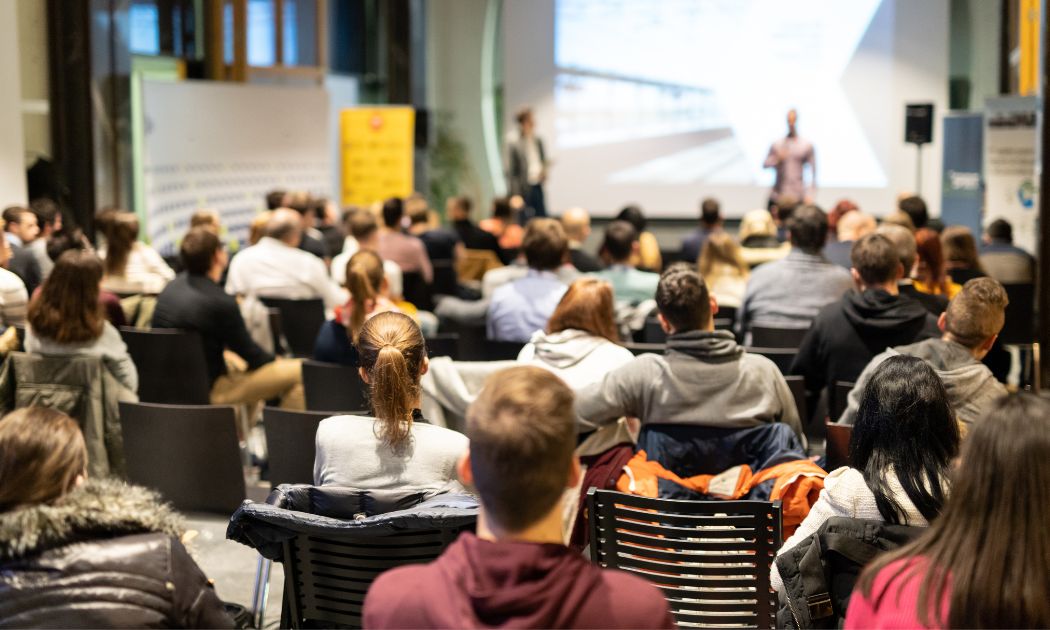
When you think of business education, what comes to mind? Maybe profit, marketing, big brands, or global trade. But today, business classrooms are changing. They’re no longer just about numbers, charts, or how to make money. They’re about how to make a difference. Business education is now closely connected to ideas like ethics, sustainability, and social entrepreneurship—and that’s turning business students into future global citizens.
If you’ve just stepped into your first year of college, this shift matters. Because the way you study business today is shaping the kind of world you’ll help build tomorrow.
Ethics: Why Doing the Right Thing Is a Business Skill
In the past, ethics in business was often treated as a side note. Something you learn about briefly and move on. But today, ethics is right at the center.
Imagine you’re the head of a company. You have two options: one choice gives you more profit but hurts the environment; the other is more responsible but costs more. What do you do?
B schools now spend more time helping students understand these kinds of dilemmas. They explore real-world cases where companies made tough decisions—some admirable, some questionable. Students learn to ask important questions:
- Is this action fair to workers?
- How will this affect future generations?
- What values should guide a decision?
Business education is no longer just about what you can do, but what you should do. That’s a big step toward building a generation of professionals who think beyond personal gain.
Sustainability: Business That Doesn’t Cost the Earth
Climate change, pollution, and resource shortages are not just science problems—they’re also business problems. That’s why sustainability is becoming a major part of business courses.
Sustainability means finding ways to meet today’s needs without harming future generations. In business, that might mean:
- Using renewable energy in factories
- Designing eco-friendly products
- Reducing waste in supply chains
- Supporting local and ethical suppliers
You’ll see more professors talking about carbon footprints, circular economies, and green finance. You’ll also find student projects focused on solving real environmental challenges through innovation.
Some colleges even have sustainability labs or offer minor degrees in “green business.” The idea is clear: the future belongs to companies that care for the planet—and students are being prepared to lead them.
Social Entrepreneurship: Building Ideas That Solve Problems
Social entrepreneurship is one of the most exciting changes in business education today. It means using business tools to solve social problems.
Think about companies that provide clean water in rural areas or startups that train women in digital skills in low-income communities. These are not just charities. They’re real businesses—with products, customers, and revenues. But their main goal is impact, not just income.
Business schools are encouraging students to become changemakers. You might be asked to:
- Design a business model to tackle food waste
- Pitch a mobile app that improves education access
- Develop a financial plan for a community recycling project
The focus shifts from competition to contribution. You’re still learning the essentials—how to manage money, organize a team, develop a product—but you’re also learning how to do that in a way that helps others.
A Shift in Mindset: From Me to We
One of the biggest changes in modern business education is the mindset. In older business textbooks, success was measured by individual achievement: your salary, your title, your growth. But today, there’s a growing interest in collective success—how your decisions impact people and the planet.
Courses on global issues, international law, and cultural sensitivity are being included in business programs. You might attend webinars with entrepreneurs from Africa, Latin America, or Southeast Asia. You might join student clubs focused on sustainability or social justice. These aren’t extras—they’re part of what it now means to study business.
Students are being encouraged to ask:
- How does this business affect global communities?
- Are we creating solutions that last?
- Can business be both successful and kind?
This mindset helps students see themselves not just as job-seekers, but as global citizens who can lead with purpose.
Learning Beyond the Classroom
Another thing that’s changing is how students are learning. It’s no longer just about exams and PowerPoint slides. Colleges are creating more hands-on, real-world learning experiences:
- Internships with ethical startups
- Field visits to community-run enterprises
- Workshops with climate experts or social entrepreneurs
- Simulation games where you run a virtual sustainable company
These experiences show that ethics, sustainability, and social entrepreneurship aren’t just theories—they’re real, practical, and urgent.
Read More- Why Finance Is Not Just for Commerce Students
So Why Does This Matter for You?
You may still be in your first year, just beginning to explore what business means. Maybe you haven’t decided your major, or you’re unsure if business is even your path. But understanding this shift in education matters, no matter what you choose.
Because it tells you that business is not just about profit anymore—it’s about purpose. It’s about building something that lasts and something that matters. It’s about leading with empathy, not just ambition.
You are entering a world that needs smart, thoughtful people who can solve complex problems without creating new ones. Education is starting to prepare you for that. And if you stay curious, ask the right questions, and look for ways to contribute, you’ll be part of a generation that redefines what success really means.
FAQs
Q: Is business still a good choice if I want to help people?
Yes. In fact, it is one of the best tools for making a large-scale impact—through social entrepreneurship, ethical decision-making, and sustainable innovation.
Q: Will learning about ethics and sustainability slow down my career growth?
Not at all. In today’s world, companies are actively hiring professionals who understand these values. Many global firms now expect business graduates to care about these issues.
Q: What if I don’t want to start a business—does this still matter?
Absolutely. Whether you work in a company, a non-profit, or a government office, understanding these ideas helps you become a responsible leader.
Q: Are there any student opportunities to explore these areas early on?
Yes. Look out for campus clubs, sustainability projects, innovation labs, business case competitions, and community initiatives. They’re great places to start.
Business education is evolving—and so are you. The classroom is no longer just a place to prepare for a job. It’s where you begin preparing to shape the world.
Leave a Reply