
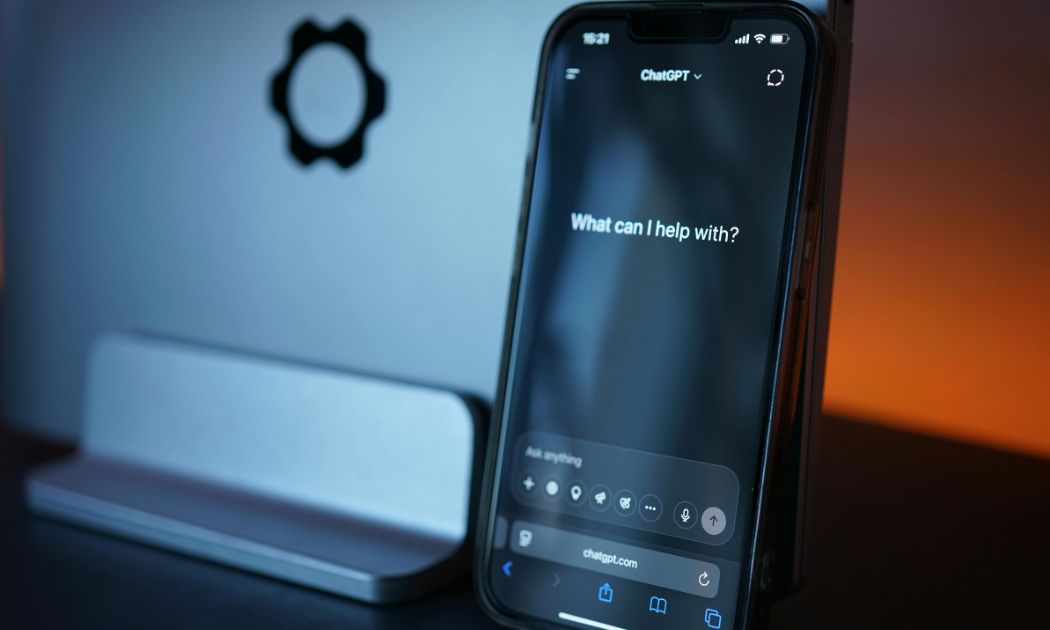
Whether you’re in school, college, or preparing for competitive exams, Artificial Intelligence (AI) is already influencing your daily life — sometimes without you even noticing. Among the most talked-about tools in recent years is ChatGPT, a conversational AI developed by OpenAI. From writing assignments and solving math problems to preparing for interviews and brainstorming ideas, students everywhere are using ChatGPT in different ways.
But how does it actually work? What are its strengths, its limits, and how can you use it ethically and smartly?
Here’s a comprehensive breakdown of what every student should know about AI and ChatGPT.
1. What Is ChatGPT?
ChatGPT is an AI chatbot designed to generate human-like responses based on the input it receives. It’s powered by a language model trained on large amounts of data — books, websites, articles, and more. The current advanced version (GPT-4 and beyond) is capable of writing essays, summarizing texts, coding, solving math problems, offering study tips, and even simulating conversations.
But remember — ChatGPT doesn’t “know” like a human does. It predicts the next word based on patterns it has learned. That’s why it’s great at sounding fluent, but it may still make mistakes.
2. How Students Are Using ChatGPT
Students across the globe are using ChatGPT in a variety of ways:
- Assignment help: It can help generate outlines, explain concepts, and suggest better phrasing.
- Exam prep: Ask it to quiz you, explain tough topics in simple terms, or summarize entire chapters.
- Resume building: It can draft professional resumes, cover letters, or LinkedIn bios.
- Practice for GDPI: ChatGPT can simulate mock interviews or help you polish your self-introduction.
- Coding support: It can help debug, explain syntax, or write basic code snippets.
- Creative tasks: Need ideas for a poster, short story, or college project? ChatGPT is a fast brainstormer.
In short, it’s like a digital study buddy — available 24/7.
3. The Benefits: Why It’s Useful for Students
- Saves Time: You can generate a rough draft or explanation in seconds — a great way to beat procrastination.
- Boosts Confidence: You can ask questions without fear of judgment.
- Personalized Learning: Unlike a classroom, ChatGPT responds directly to your level of understanding.
- Multilingual Help: It can assist in multiple languages and help translate texts.
- Accessible: All you need is an internet connection. Many features are free.
4. But There Are Limitations Too
While ChatGPT is powerful, it’s not perfect:
- Not always accurate: It may confidently give wrong or outdated information.
- No real-time data: Unless connected to external tools, it may not reflect recent developments (e.g., 2025 entrance exam changes).
- Lacks human judgment: It can’t understand emotional context or make value-based decisions.
- Easy to misuse: Copy-pasting ChatGPT’s answer into your homework or exam isn’t learning — it’s dependency.
Understanding these limits is critical. Treat ChatGPT as a learning tool, not a replacement for thinking.
5. Ethical and Smart Use
Just because something is easy doesn’t mean it’s right. Here’s how to use ChatGPT responsibly:
- Don’t cheat: Using AI to write your entire assignment is plagiarism — and many schools now have AI detection tools.
- Use it for clarity, not shortcuts: Ask ChatGPT to explain, not to do the whole work.
- Fact-check everything: Especially for data, dates, or definitions.
- Acknowledge AI when used: If your teacher allows AI help, be transparent about it.
The best students use ChatGPT to understand better, not to avoid effort.
6. AI Literacy Is the New Digital Literacy
Being a student today means you need to understand AI — how it works, where it’s going, and what your role is. Just like typing, browsing the internet, or using MS Word were essential in the past, AI literacy is now essential.
Here’s what students can start learning:
- Prompt engineering: Learn how to ask ChatGPT the right questions. The better your prompt, the better the output.
- Critical thinking: Don’t accept every answer blindly — question it.
- AI in your career: Whether you’re in business, tech, design, or law — AI is becoming a part of every field.
- Data privacy: Never share personal or sensitive information with AI tools.
Understanding these basics will set you apart in both academics and your future career.
7. AI and the Future of Education
AI is changing not just how students learn, but also how teachers teach. Many schools are integrating AI tools to personalize learning or automate administrative tasks.
But here’s the catch: AI will never replace human learning — it will only assist it.
Your creativity, emotional intelligence, values, and perspective can’t be replaced by any algorithm. That’s why students who combine human skills with AI understanding will lead the future.
8. Final Thoughts: Use It, Don’t Abuse It
The smartest way to use ChatGPT as a student is to treat it like a calculator for your brain. It can help you process things faster, test your understanding, and make learning less frustrating.
But just like using a calculator without understanding math won’t help in the long run, relying on AI without effort won’t build real skills. Use ChatGPT to level up, not to escape the grind.
Let AI be your assistant, not your replacement. Learn with it, grow with it — but never let it do all the learning for you.
FAQs
Q. Can I use ChatGPT in exams?
Not in most cases. Exams are designed to test your understanding, not AI’s. Always follow your institution’s guidelines.
Q. How do I know if ChatGPT’s answer is correct?
Cross-check with textbooks, trusted websites, or ask your teacher. AI can make errors.
Q. Will learning how to use AI help my career?
Absolutely. Every field — marketing, coding, HR, design, business — is seeing a rise in AI applications. Learning now gives you a head start.
Q. Is using ChatGPT for homework cheating?
It depends. If you use it to generate ideas or clarify doubts, it’s fine. But copying and submitting its output without effort is academic dishonesty.
Leave a Reply